
Author Archives: glentoby3@gmail.com

Following the Trail: Private Detectives and Their Techniques

How to Become a Successful Private Investigator: A Comprehensive Guide -  Studying in Switzerland

Private detectives, often portrayed as enigmatic figures in literature and cinema, play a crucial role in uncovering hidden truths and solving mysteries that evade the conventional reaches of law enforcement. These professionals, also known as private investigators or PIs, 私家偵探 navigate the shadows of society to unveil concealed information. In this article, we delve into the intriguing world of private detectives, exploring their roles, responsibilities, and the impact they have on various aspects of our lives.

Defining the Role:

A private detective is an individual hired to conduct investigative work for private clients, attorneys, corporations, or even government agencies. Unlike law enforcement officers, private detectives are not bound by the same legal constraints and can take on a wide range of cases, including but not limited to, infidelity investigations, background checks, surveillance, and corporate espionage.

Services Offered:

Private detectives offer a diverse array of services, tailored to the specific needs of their clients. Some common services include:

  1. Infidelity Investigations: One of the most requested services, private detectives often help individuals confirm suspicions of a cheating spouse or partner. This involves discreet surveillance and the gathering of evidence to either confirm or dispel doubts.
  2. Background Checks: Private detectives are frequently hired to conduct comprehensive background checks on individuals for various reasons, such as pre-employment screening, tenant verification, or before entering into business partnerships.
  3. Surveillance: Whether it’s monitoring a person of interest, tracking the activities of an employee suspected of wrongdoing, or ensuring the safety of a high-profile individual, private detectives employ advanced surveillance techniques to gather pertinent information.
  4. Corporate Investigations: Private detectives assist businesses in uncovering corporate espionage, employee theft, or fraudulent activities. Their work often involves uncovering hidden financial transactions, conducting interviews, and analyzing company practices.
  5. Missing Persons: Private detectives play a pivotal role in locating missing persons, be it runaway teenagers, estranged family members, or debtors attempting to evade responsibility.

Legal Boundaries:

While private detectives have more flexibility than law enforcement officers, they are still bound by legal and ethical guidelines. They cannot engage in illegal activities, such as wiretapping or breaking and entering, and must adhere to privacy laws when conducting investigations.

Qualifications and Skills:

Becoming a private detective typically requires a combination of education, experience, and licensure, depending on the jurisdiction. Many private detectives have backgrounds in law enforcement, the military, or related fields. Key skills include attention to detail, critical thinking, effective communication, and the ability to adapt to various situations.

Conclusion:

Private detectives, operating in the shadows, provide a valuable service to individuals and organizations seeking information that may elude traditional channels. Their work requires a unique blend of skills, discretion, and determination. As unseen heroes in the realm of investigations, private detectives continue to unravel mysteries and shed light on the truth, proving that sometimes the answers are found in the most unexpected places.


Leave a Comment

Filed under Uncategorized

Sundries Unleashed: The Power of Organization

In our fast-paced lives, we often accumulate a variety of miscellaneous items, commonly referred to as sundries. From stationery to household tools, these sundries can quickly clutter our living spaces if not properly organized. Developing effective sundries storage skills is essential for maintaining an orderly and visually appealing environment. In this article, we will explore various tips and techniques to help you master the art of sundries storage.

  1. Categorization:

The first step in efficient sundries storage is categorization. Take inventory of your miscellaneous items and group them into categories based on their functionality or usage. For example, create categories such as office supplies, home tools, personal accessories, and so on. This initial sorting process lays the foundation for a systematic storage solution.

  1. Decluttering:

Once you’ve categorized your sundries, it’s time to declutter. Assess each category and identify items that are no longer needed or have outlived their usefulness. Dispose of or donate these items, creating more space for the essentials. Decluttering is crucial for maintaining an organized storage system and preventing unnecessary accumulation of items.

  1. Storage Containers:

Invest in storage containers that suit the size and nature of your sundries 收納技巧. Transparent containers are particularly useful as they allow you to easily identify the contents without having to open each box. Consider using stackable containers to maximize vertical space and keep your storage area neat and compact.

  1. Labeling:

Labeling is a simple yet effective way to enhance your sundries storage skills. Clearly label each storage container with the corresponding category or contents. This not only helps you quickly locate items but also ensures that you return them to their designated places after use, maintaining the organization over time.

  1. Utilize Vertical Space:

Make the most of your available space by utilizing vertical storage options. Install shelves, hooks, or pegboards on walls to store sundries such as bags, hats, or tools. This not only frees up floor space but also adds a decorative element to your living or working area.

  1. Rotation System:

Implement a rotation system for items with expiration dates, such as batteries or certain types of food. This ensures that you use items before they expire and prevents the accumulation of outdated or potentially harmful sundries.

  1. Regular Maintenance:

Developing good sundries storage skills requires consistent effort. Set aside time for regular maintenance sessions to reassess your storage system, declutter, and reorganize as needed. This proactive approach will help you stay on top of your sundries storage and maintain a clutter-free space in the long run.

Conclusion:

Mastering sundries storage skills is a valuable aspect of maintaining an organized and efficient living or working space. By incorporating categorization, decluttering, appropriate storage solutions, labeling, and regular maintenance into your routine, you can create a system that not only keeps your sundries in order but also enhances the overall aesthetics and functionality of your environment.

Leave a Comment

Filed under Uncategorized

Smooth Sailing: Navigating the Seas of Hair Removal Options

Body Hair Removal - Best Hair Removal Methods | Philips

Hair removal is a common practice that has been embraced by people across the globe for centuries. Whether for cultural, cosmetic, or personal reasons, individuals seek various methods to eliminate unwanted hair from different parts of their bodies. This article will explore the diverse techniques available for hair removal, ranging from traditional methods to modern advancements, to help you make informed choices that suit your preferences and needs.

  1. Shaving:

One of the most accessible and widely used methods, shaving involves using razors to cut hair at the surface level. While convenient, the results are temporary 脫毛, and regrowth occurs quickly. Regular shaving may also lead to skin irritation and ingrown hairs.

  1. Waxing:

Waxing is a more long-lasting option, as it removes hair from the root. Hot or cold wax is applied to the skin and then pulled off, taking the hair with it. This method provides smoother skin for a more extended period, but it can be painful and may cause redness or irritation.

  1. Depilatory Creams:

Depilatory creams contain chemicals that break down the hair’s structure, allowing it to be wiped away easily. These creams are convenient and painless but may cause skin sensitivity or allergic reactions in some individuals. It’s crucial to follow instructions and conduct a patch test before widespread application.

  1. Epilation:

Epilation involves removing hair from the root using electronic devices such as epilators. These devices grasp and pull out multiple hairs simultaneously, providing longer-lasting results than shaving. While it may be uncomfortable initially, regular use can lead to reduced hair regrowth over time.

  1. Laser Hair Removal:

Laser hair removal is a modern and effective method that utilizes concentrated beams of light to target and damage hair follicles, inhibiting future growth. This procedure is best performed by trained professionals and often requires multiple sessions for optimal results. Laser hair removal provides semi-permanent to permanent hair reduction and is suitable for various body areas.

  1. Electrolysis:

Electrolysis is a permanent hair removal method that uses an electric current to destroy the hair follicle. It is a meticulous process, and each hair follicle needs individual treatment. While effective, electrolysis can be time-consuming and may cause discomfort during the procedure.

  1. Intense Pulsed Light (IPL):

IPL is a technology that uses broad-spectrum light to target and break down hair follicles, similar to laser hair removal. It is less precise than laser treatments but can cover larger areas. Like laser hair removal, IPL requires multiple sessions for optimal results.

Conclusion:

The choice of hair removal method depends on individual preferences, pain tolerance, budget, and desired results. Whether opting for traditional techniques like shaving and waxing or investing in modern technologies like laser hair removal and IPL, understanding the pros and cons of each method is crucial. Consider consulting with a skincare professional to determine the most suitable hair removal approach for your unique needs, ensuring smooth and satisfying results.

Leave a Comment

Filed under Uncategorized

Shaping Perspectives: The Impact of Psychological Counseling on Worldviews

In the intricate tapestry of human emotions, the need for psychological counseling has become increasingly evident. Whether navigating the challenges of daily life, coping with trauma, or seeking personal growth, individuals often turn to psychological counseling as a supportive and transformative resource. In this comprehensive guide, we will explore the fundamental aspects of psychological counseling, addressing the what, how, and why behind this crucial field.

What is Psychological Counseling?

Psychological counseling, commonly known as therapy or counseling, is a collaborative process between a trained mental health professional and an individual seeking support. The primary goal is to facilitate positive change, enhance well-being, and foster personal development. Through open and confidential conversations, individuals can explore their thoughts, feelings, and behaviors in a safe and non-judgmental environment.

How Does Psychological Counseling Work?

The process of psychological counseling involves various therapeutic approaches tailored to meet the unique needs of each individual. Therapists may employ techniques such as cognitive-behavioral therapy, psychoanalysis, or humanistic therapy, depending on the specific issues at hand. Sessions typically revolve around open dialogue, self-reflection, and the development of coping strategies to address challenges and promote emotional resilience.

How to Choose the Right Counselor:

Selecting the right counselor is a crucial step in the therapeutic journey. Consider factors such as the therapist’s specialization, credentials, and interpersonal style. It’s essential to establish a strong rapport with your counselor, ensuring a comfortable and trusting therapeutic alliance. Additionally, seeking recommendations from trusted sources or researching online reviews can provide valuable insights into a counselor’s effectiveness.

How Can Psychological Counseling Benefit You?

The benefits of psychological counseling are multifaceted. Beyond addressing specific mental health concerns, counseling can enhance self-awareness, improve communication skills, and foster a deeper understanding of one’s emotions and behaviors 法庭專家證人. Individuals often experience increased resilience, improved relationships, and a greater sense of overall well-being as a result of engaging in therapeutic processes.

What Are Common Issues Addressed in Counseling?

Psychological counseling addresses a wide range of concerns, including but not limited to:

Anxiety and stress management
Depression and mood disorders
Relationship and family issues
Trauma and PTSD
Grief and loss
Self-esteem and self-worth
Career and academic challenges
How Do You Start the Counseling Journey?

Embarking on the counseling journey can be a transformative step towards positive change. To start, consider the following steps:

Acknowledge the need for support: Recognize that seeking help is a sign of strength, not weakness.

Research potential counselors:

Take the time to find a counselor whose expertise aligns with your specific concerns.

Schedule an initial consultation:

Reach out to potential counselors for an introductory session to assess compatibility and discuss your goals.
Commit to the process: Building a therapeutic relationship takes time and commitment. Be open to self-exploration and trust the process.

Conclusion:

Psychological counseling is a valuable resource for individuals navigating the complexities of the human mind. By understanding the what, how, and why of this transformative process, individuals can make informed decisions about seeking support and embarking on a journey towards enhanced well-being. Remember, the path to personal growth and emotional resilience begins with a single step—the decision to prioritize your mental health.

Leave a Comment

Filed under Uncategorized

Education for All: Breaking Barriers Through Charitable Support

Giving In a Tough Economy: What Charities Can Do To Survive | Burrelles

Charity, a concept deeply rooted in human history, embodies the spirit of giving, compassion, and altruism. It is a powerful force that has the potential to transform lives, uplift communities, and build a better world for everyone. In this article, we will explore the significance of charity, its various forms, and the profound impact it has on individuals and society as a whole.

Understanding Charity: Charity is more than just a monetary donation; it encompasses a broad spectrum of acts aimed at helping those in need. Whether it’s providing financial aid, volunteering time and skills, or donating goods and services, charity is the embodiment of humanity’s collective desire to make a positive difference in the lives of others.

Forms of Charity:

  1. Monetary Donations: One of the most common forms of charity involves contributing money to charitable organizations or directly to those in need. This can fund various initiatives, from healthcare and education to disaster relief and poverty alleviation.
  2. Volunteerism: Giving time and expertise is a powerful way to support charitable causes. Volunteers play a crucial role in organizations that work towards social welfare, environmental conservation, and community development. Their dedication often leads to tangible, on-the-ground improvements.
  3. In-Kind Donations: Apart from financial contributions, 捐款 donating goods and services is another form of charity. This includes providing food, clothing, medical supplies, and other essentials to those facing hardships.
  4. Corporate Social Responsibility (CSR): Many businesses recognize their responsibility to contribute positively to society. Through CSR initiatives, companies engage in charitable activities such as supporting education, environmental conservation, or community development projects.

Impact on Individuals:

  1. Empowerment: Charity empowers individuals by providing them with the necessary resources to overcome challenges. This empowerment can lead to improved quality of life, increased self-esteem, and a sense of hope for a better future.
  2. Education: Charitable contributions often fund educational programs, scholarships, and infrastructure, opening doors to knowledge and skills that can break the cycle of poverty and create a more educated society.
  3. Healthcare: Charitable efforts in healthcare provide access to medical services, medications, and preventive measures, contributing to better health outcomes for those who might not otherwise afford such care.

Impact on Society:

  1. Community Development: Charity plays a crucial role in community development, fostering social cohesion and creating resilient, self-sufficient communities. This, in turn, leads to a more stable and harmonious society.
  2. Crisis Response: Charitable organizations are often at the forefront during times of crisis, providing immediate relief and long-term support. Whether responding to natural disasters or addressing social issues, charity helps communities rebuild and recover.
  3. Global Connectivity: In an interconnected world, charity knows no borders. Global charitable efforts create a sense of shared responsibility, encouraging collaboration and solidarity in addressing global challenges such as poverty, climate change, and health crises.

Conclusion: Charity stands as a beacon of hope and compassion, showcasing the best of humanity’s collective spirit. Through acts of kindness, whether big or small, individuals and organizations alike contribute to the well-being of others and, by extension, the entire world. In a society driven by empathy and a commitment to making a positive impact, charity becomes a powerful force for building a better, more inclusive future.

Leave a Comment

Filed under Uncategorized

Navigating Finances: Designed Accounting and Tax Bookkeeping Services

In the delicate world of company, the smooth management of financial files is definitely an vital facet of success. Accounting and Tax Consultants play a essential position in ensuring the accuracy, compliance, and proper utilization of economic data for enterprises of sizes. This short article goes in to the significance of these solutions and how they contribute to the economic wellness and durability of businesses.

Successful accounting could be the backbone of any business, providing a systematic way of record-keeping, financial reporting, and decision-making. Whether it checking day-to-day transactions, managing payroll, or preparing financial statements, sturdy accounting solutions are necessary for maintaining a definite and appropriate image of a company fiscal health.

Accounting computer software has changed the way in which organizations control their economic data. These programs present user-friendly interfaces, automation characteristics, and real-time reporting capabilities. From little companies to large enterprises, the adoption of accounting pc software has become a cornerstone in streamlining economic techniques, reducing problems, and improving over all efficiency.

Tax bookkeeping , closely intertwined with accounting , targets ensuring compliance with tax rules and optimizing tax strategies. The difficulty of tax laws requires careful record-keeping and reasonable reporting. Professional tax bookkeeping solutions not only facilitate adherence to tax rules but also help corporations recognize opportunities for tax deductions and incentives.

For companies operating in numerous jurisdictions or experiencing complex tax scenarios, the knowledge of tax specialists becomes invaluable. Tax consultants bring a heavy understanding of tax laws, improvements in rules, and industry-specific nuances. Their advice ensures companies understand the elaborate tax landscape effectively, minimizing liabilities and maximizing returns.

One of the crucial advantages of hiring accounting and tax bookkeeping solutions is the ability to create important financial insights. These solutions offer real-time exposure in to income flow, expenses, and revenue, allowing knowledgeable decision-making. Business leaders may analyze economic information to spot styles, assess profitability, and create methods for sustainable growth.

As businesses increase, so do the challenges associated with economic management. Scalable accounting and tax bookkeeping solutions cater to the growing needs of rising enterprises. Whether it helpful a greater volume of transactions, adding with different business techniques, or changing to changes in regulatory demands, scalable solutions provide mobility and resilience.

The integration of technology, such as for instance cloud-based accounting systems, more increases the accessibility and cooperation areas of economic management. Cloud accounting enables real-time knowledge accessibility from anywhere, facilitating rural work, cooperation between group people, and easy transmission with external stakeholders such as for instance accountants or tax consultants.

Along with maintaining submission and giving financial insights, accounting and tax bookkeeping solutions contribute significantly to chance mitigation. Correct economic records reduce steadily the likelihood of problems, mistakes, or audits. Furthermore, timely and translucent economic reporting improves the standing of a small business in the eyes of stakeholders, including investors, creditors, and regulatory bodies.

In conclusion, accounting and tax bookkeeping solutions are vital resources for corporations trying to succeed in today aggressive landscape. From careful record-keeping to strategic financial evaluation, these solutions encourage organizations to navigate complexities, produce informed conclusions, and ensure submission with regulatory requirements. As engineering remains to advance, the integration of modern solutions may play a crucial role in shaping the continuing future of financial management, offering organizations the agility and resilience needed seriously to succeed in an ever-evolving business environment.

Leave a Comment

Filed under Uncategorized

The Nutritional Blueprint: Designing Your Path to Wellness

In a world that constantly bombards us with fast food options and processed snacks, it’s essential to prioritize our health by making informed choices about the food we consume. This article aims to delve into the nuances of healthy eating, exploring what it is, how it positively impacts our well-being, how to incorporate it into our daily lives, and the myriad benefits it offers.

What is Healthy Food?

Healthy food is not just a dietary choice; it’s a lifestyle that emphasizes the consumption of nutrient-rich, whole foods that provide the essential vitamins, minerals, and energy our bodies need to function optimally. This includes a well-balanced mix of fruits, vegetables, lean proteins, whole grains, and healthy fats.

How Does Healthy Food Impact Our Well-being?

The impact of healthy eating extends far beyond just maintaining a balanced weight. A diet rich in nutrients supports overall physical health, boosts mental well-being, and reduces the risk of chronic diseases such as heart disease, diabetes, and obesity 日本健康食物. Nutrient-dense foods also contribute to improved energy levels, better digestion, and a strengthened immune system.

How to Incorporate Healthy Eating into Daily Life:

Plan Balanced Meals:
Begin by planning well-rounded meals that include a variety of food groups. This ensures you receive a broad spectrum of essential nutrients.

Cook at Home:
Taking control of your kitchen allows you to choose wholesome ingredients and control portion sizes. Experiment with cooking techniques to enhance flavors without compromising nutritional value.

Limit Processed Foods:
Reduce your intake of processed and packaged foods that are often laden with added sugars, unhealthy fats, and preservatives. Opt for fresh, whole foods whenever possible.

Stay Hydrated:
Water is a fundamental component of a healthy diet. Ensure you stay adequately hydrated throughout the day to support digestion, circulation, and overall well-being.

Mindful Eating:
Pay attention to your body’s hunger and fullness cues. Eat slowly, savoring each bite, and listen to your body’s signals to avoid overeating.

How Can Healthy Eating Transform Your Life?

Adopting a healthy eating lifestyle can have transformative effects on your physical and mental well-being. It can lead to sustained energy levels, improved mood, enhanced cognitive function, and a reduced risk of chronic diseases. As you prioritize nutrient-dense foods, you’ll likely experience increased vitality, better sleep quality, and a heightened sense of overall happiness.

What Are the Key Components of a Healthy Diet?

A healthy diet encompasses a variety of nutrient-rich foods. Here are key components to focus on:

Fruits and Vegetables:
Packed with vitamins, minerals, and antioxidants, these foods support immune function and contribute to overall health.

Lean Proteins:
Incorporate sources like lean meats, poultry, fish, tofu, and legumes to ensure an adequate intake of protein for muscle repair and maintenance.

Whole Grains:
Choose whole grains such as brown rice, quinoa, and whole wheat, which provide fiber and essential nutrients.

Healthy Fats:
Include sources of healthy fats, such as avocados, nuts, seeds, and olive oil, to support brain health and maintain cardiovascular well-being.

How Do Different Dietary Choices Affect Health?

The impact of dietary choices on health varies based on individual needs, preferences, and specific health conditions. Some people may thrive on plant-based diets, while others may benefit from a balanced mix of animal and plant-based foods. It’s crucial to tailor your diet to your unique requirements, considering factors like age, activity level, and any existing health concerns.

Conclusion:

In conclusion, healthy eating is not a one-size-fits-all concept; it’s a personalized journey that requires mindfulness and dedication. By understanding what healthy food entails, recognizing its impact on well-being, and implementing practical strategies to incorporate it into daily life, you can embark on a path to long-term health and vitality. Embrace the power of nutritious, whole foods, and experience the positive transformation they can bring to your life.

Leave a Comment

Filed under Uncategorized

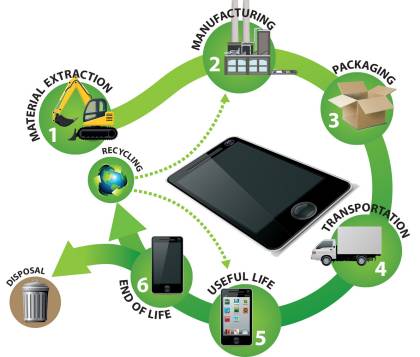
Sustainable Living Starts with Smart Choices: A Guide to Smartphone Recycling

Open for Discussion: Be Smart—Recycle that Old Cell Phone! - American  Chemical Society

In the rapidly evolving landscape of technology, smartphones have become an indispensable part of our daily lives. With new models constantly hitting the market, it’s not uncommon for users to upgrade their devices regularly. However, the environmental impact of this constant cycle of consumption and disposal cannot be ignored. Enter smartphone recycling, a crucial aspect of sustainable living that aims to minimize electronic waste and promote responsible consumption.

The Growing Issue of Electronic Waste:

Electronic waste, or e-waste, is a global concern as the discarded devices contribute significantly to environmental pollution. Smartphones, being a major contributor to this issue, contain hazardous materials such as lead, mercury, and cadmium. Improper disposal of these devices can lead to the release of harmful chemicals into the environment, posing risks to both human health and ecosystems.

The Importance of Smartphone Recycling:

  1. Resource Conservation: Recycling smartphones helps recover valuable materials like gold, silver, and copper. Extracting these metals from raw materials is energy-intensive and often involves environmentally damaging mining practices iphone 回收價. By recycling, we reduce the need for new mining activities, conserving natural resources and minimizing the environmental impact.
  2. Hazardous Material Management: Smartphones contain hazardous substances that, when not properly handled, can pose severe risks. Recycling facilities are equipped to extract and dispose of these materials safely, preventing them from entering landfills and contaminating the soil or water.
  3. Energy Savings: Manufacturing new smartphones requires a significant amount of energy. By recycling and reusing materials from old devices, we can reduce the demand for energy-intensive processes involved in the production of new phones. This contributes to a decrease in greenhouse gas emissions and lessens the overall carbon footprint associated with smartphone manufacturing.
  4. Reducing Landfill Burden: E-waste often ends up in landfills, leading to environmental degradation and the release of toxic substances. By recycling smartphones, we divert these devices from landfills, alleviating the burden on waste management systems and preventing the release of harmful pollutants.
  5. Promoting a Circular Economy: Smartphone recycling is a key component of the circular economy, where products are designed to be reused, refurbished, or recycled. This approach minimizes waste, extends the lifespan of products, and reduces the overall environmental impact of consumer electronics.

How to Recycle Smartphones:

  1. Manufacturer Programs: Many smartphone manufacturers have initiated recycling programs where users can return their old devices. These programs often include incentives like discounts on new purchases, making it a win-win for consumers and the environment.
  2. Electronic Waste Recycling Centers: Numerous e-waste recycling centers accept old smartphones. These facilities are equipped to handle the proper disposal and recycling of electronic devices, ensuring that hazardous materials are managed safely.
  3. Retailer Takeback Programs: Some retailers offer takeback programs, allowing customers to drop off their old smartphones for recycling when purchasing a new device. This initiative encourages responsible disposal and reduces the environmental impact of electronic waste.

Conclusion:

Smartphone recycling is a vital step towards a more sustainable future. As consumers, we play a crucial role in mitigating the environmental impact of our electronic devices. By choosing to recycle our old smartphones, we contribute to resource conservation, reduce electronic waste, and support the shift towards a circular economy. Embracing smartphone recycling is not just a responsible choice; it’s an essential part of building a greener and more sustainable world for generations to come.

Leave a Comment

Filed under Uncategorized

Disinfection Dexterity: Mastering the Art of Germ Management

Cleaning tips from a chemist who researches disinfectants

As the world adapts to a new normal shaped by the experiences of the global pandemic, the emphasis on home hygiene and disinfection has never been more critical. 消毒公司 This comprehensive guide aims to navigate the challenges of the post-pandemic era, providing practical insights into effective home disinfection strategies. From understanding the importance of a clean living space to implementing sustainable habits, let’s explore the key elements of maintaining a healthy home in the evolving landscape of our times.

The Importance of Home Disinfection:

  1. Health and Wellness:A clean home is synonymous with a healthy living environment. Regular disinfection not only prevents the spread of viruses but also safeguards against common illnesses, promoting overall well-being for you and your family.
  2. Peace of Mind:A well-disinfected home offers peace of mind in uncertain times. Knowing that your living space is a sanctuary protected against harmful germs fosters a sense of security and comfort.
  3. Preventing Resurgence:Continued vigilance in home disinfection is crucial to prevent the resurgence of infectious diseases. By maintaining high hygiene standards, you actively contribute to breaking the transmission chain.

How to Navigate Home Disinfection:

  1. Targeted High-Touch Areas:Identify and prioritize high-touch surfaces such as doorknobs, light switches, countertops, and electronic devices. Regularly disinfecting these areas minimizes the risk of germ transmission.
  2. Smart Cleaning Products:Invest in cleaning products that are not only effective but also environmentally friendly. Look for labels indicating eco-friendly, biodegradable, or sustainable ingredients to align your cleaning routine with a broader commitment to the planet.
  3. Personal Hygiene Practices:Extend your focus beyond surfaces to personal hygiene. Implement practices such as washing hands thoroughly, using hand sanitizers, and adopting a shoes-off policy to reduce the introduction of contaminants into your home.
  4. Ventilation and Air Quality:Ensure proper ventilation to improve indoor air quality. Open windows regularly to allow fresh air circulation, reducing the concentration of airborne particles and promoting a healthier atmosphere.
  5. Consistent Cleaning Schedule:Establish a consistent cleaning schedule to maintain a routine in your home disinfection efforts. Consistency is key to preventing the buildup of germs and maintaining a consistently clean environment.

The Role of Technology in Home Disinfection:

  1. UV-C Light Devices:Consider incorporating UV-C light devices into your home disinfection routine. These devices are designed to kill or inactivate microorganisms, providing an additional layer of protection.
  2. Smart Disinfection Gadgets:Explore smart gadgets designed for automated disinfection, such as robot vacuum cleaners with UV sterilization capabilities. These technologies can enhance the efficiency of your cleaning routine.

Conclusion:

Navigating the new normal requires a proactive and informed approach to home disinfection. By understanding the importance of cleanliness, implementing targeted disinfection strategies, and embracing technology, you can create a living space that prioritizes health and well-being. As we move forward in this evolving landscape, let our homes become sanctuaries of safety, resilience, and adaptability.

Leave a Comment

Filed under Uncategorized

Unveiling the Best Reseller Hosting: HostGator’s Reseller Web Hosting Services

In the ever-evolving landscape of web hosting, reseller hosting has become a popular choice for entrepreneurs and businesses looking to expand their offerings. Reseller hosting allows individuals or companies to purchase hosting resources and sell them to their own clients, making it an attractive venture for those seeking to start their web hosting business. Among the myriad of options available, HostGator’s reseller program emerges as a standout choice, providing comprehensive reseller web hosting services with dedicated resources to empower professional websites best reseller web hosting.

HostGator’s Reseller Hosting Plans:

HostGator offers reseller hosting plans that cater to the diverse needs of resellers, offering a range of features and benefits. Dedicated resources are a key feature, ensuring consistent and reliable performance for websites hosted on their platform. White-label hosting allows resellers to brand their services with their logo and company name, creating a seamless and professional experience for clients without significant infrastructure investments.

Scalability is a vital factor for resellers, and HostGator’s reseller hosting plans are designed to scale seamlessly, allowing easy upgrades to meet client demands. The user-friendly cPanel control panel is included with these plans, making it easy for resellers and clients to manage websites, domains, and other hosting-related settings.

HostGator’s 24/7 customer support is a cornerstone of their services, ensuring responsive support directly impacts client satisfaction. Their high uptime guarantee ensures that clients’ websites remain accessible and operational at all times, maintaining the credibility of the business and client satisfaction.

Conclusion:

In the competitive world of reseller hosting, HostGator’s reseller program stands as a reliable and feature-rich option. With dedicated resources, white-label hosting, scalability, user-friendly control panels, excellent customer support, and a high uptime guarantee, HostGator provides resellers with the tools they need to succeed in the web hosting business. Whether you’re a seasoned entrepreneur or just starting your journey into web hosting, HostGator’s reseller hosting services offer the perfect platform to build and grow your own hosting business.

Leave a Comment

Filed under Uncategorized